
Probably Fishing
Essays and notes by Fish. 13 pieces, organized by topic below.
Latest

New York City promises groceries 30% below private stores. Food retail earns about two cents on the dollar. The missing $30 does not come from profit, it comes from the taxpayer.
Protocol Economics
Whether Algorand can pay for itself: fees, emissions, burns and validator incentives, and what the Foundation is spending the treasury on in the meantime.
-
Uncapping ALGO is not the threat. Spending the treasury without growing the network is. Why node runners should withhold the upgrade vote until the Foundation concedes.
-
Not users-vs-builders but a supply-and-incentive mismatch: the Foundation is the largest seller, funding little that grows demand. Four ways to cap or hand off the treasury.
-
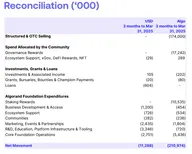
$72.5M of net outflows in Q1 2025, of which roughly 14% arguably helped the community. Plus the story of asking $2–3k/month to maintain Réti, and being told no.
-
A year on: outflows nearly halved and consensus rewards landed, but revenue is ~$730k/yr, xGov is still broken, and the RWA focus is costing us on-chain growth.
-
Algorand is spending ~$350k/day against ~$5k/day in fees. A holistic proposal: node incentives, retroactive public goods funding, and an uncapped supply with a burn.




Governance Design
Why stake-weighted voting captures treasuries, and what to build instead: elected councils, median voting, retroactive funding.
-
Tying xGov voting power to blocks proposed hands the treasury to whales. The case for an elected council with median-based budget voting, and what the current proposal gets wrong.
-
xGov pays for promises, not delivery, and lets stake decide. Four fixes: an elected committee, retroactive-only funding, no stake-weighted votes, and median voting.
-
A concrete draft: 600M ALGO over ten years, allocated by a 115-member DAO scoring impact retroactively, with median voting and a 5% per-project cap.
-
A weighted, normalized score for on-chain activity, usable for airdrops, voting power, and public goods funding. Asking for help on the variables and weights.




Theory & Politics
The wider case: who really pays when a price is set by decree, blockchains as institutional technology, and what gets lost when crypto trades its principles for a pump.
-
New York City promises groceries 30% below private stores. Food retail earns about two cents on the dollar. The missing $30 does not come from profit, it comes from the taxpayer.
-
Reading Berg, Davidson and Potts alongside Coase: blockchain as institutional technology, manufacturing trust cheaply enough to flatten the firm.
-
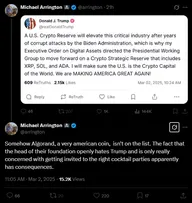
On being left out of the US Crypto Strategic Reserve, and why chasing political favor for a pump betrays the thing that made crypto worth building.

Building
Notes from shipping things, and the case for tools over empires.
-
Built in two weeks and released permissionless. Why we gave away the airdrop protocol instead of gatekeeping it, and how NFD-duration gating makes sybil attacks expensive.